
Tilapia and koi can both live in aquaponics systems, but they solve different problems. Tilapia are usually discussed as a food fish. Koi are ornamental fish that can live for many years and grow quite large. That difference changes how you think about temperature, stocking, feeding, harvest, and the long-term size of the system.
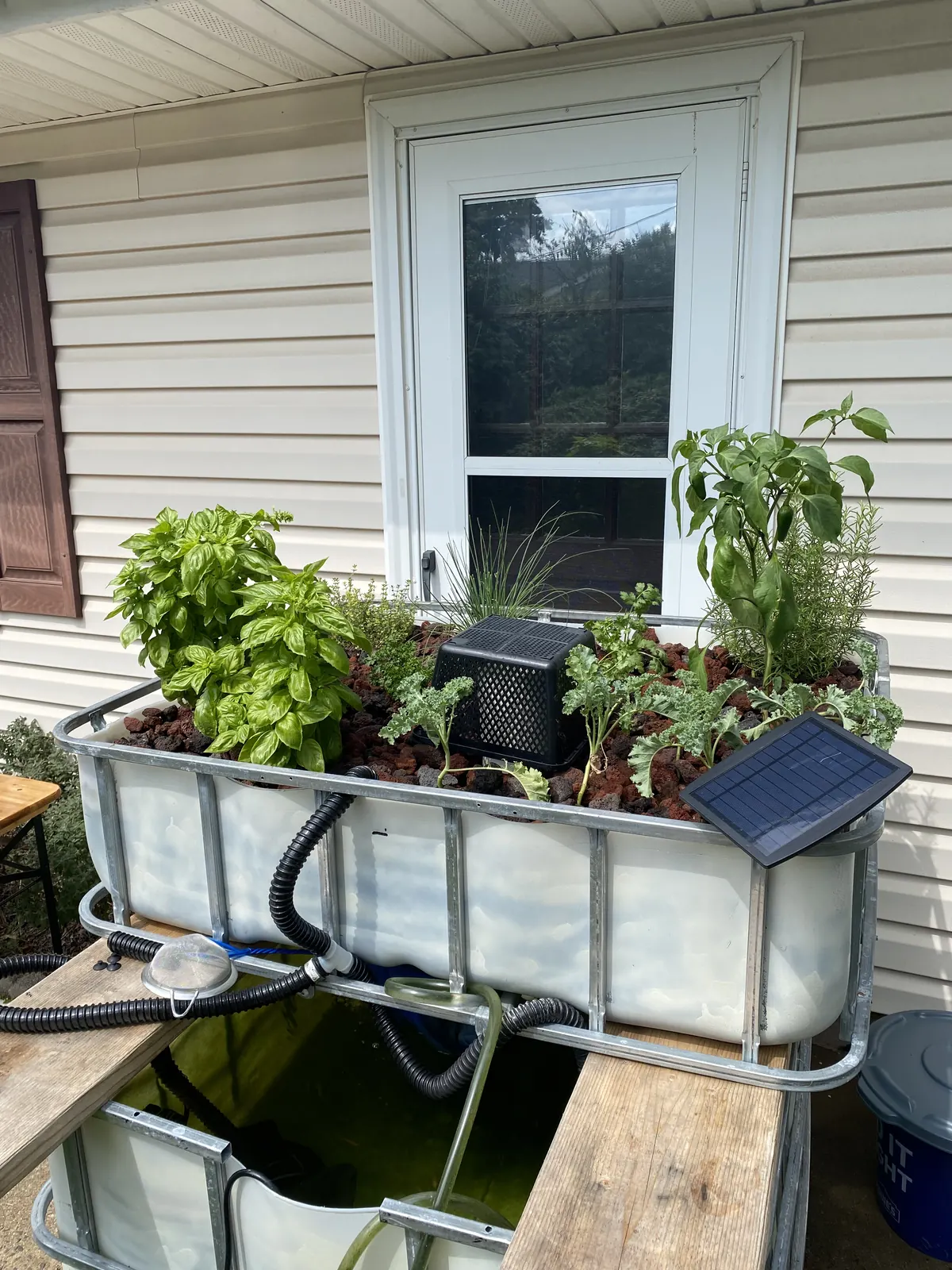
My own aquaponics project was a backyard IBC system, and one lesson from actually operating it was that fish choice cannot be separated from the rest of the hardware. The tank volume, water temperature, aeration, filtration, feeding rate, and plant load all have to work together. Picking a fish first and worrying about those details later is backwards.
The short version: tilapia and koi serve different goals
If the goal is producing an edible fish crop, tilapia are one of the species commonly considered for warm-water aquaponics. If the goal is keeping hardy ornamental fish and harvesting fish is not important, koi can make more sense.
Neither choice is automatically better. The useful question is which fish fits the system you actually intend to operate.
Tilapia make sense when food production matters
Tilapia are popular in aquaponics discussions because they grow relatively quickly under suitable conditions, accept commercial feed readily, and can be harvested for food. Those traits make them attractive when fish production is part of the purpose of the system rather than simply a source of nutrients for plants.
The catch is temperature. Tilapia are warm-water fish. In a climate with cold winters, keeping them year-round can mean heating the water or moving the system into a protected environment. That adds electricity, equipment, monitoring, and another failure point.
That issue matters more than it might appear when planning a small backyard system. Heating hundreds of gallons of water is very different from heating a small aquarium.
Koi make sense when harvest is not the goal
Koi are ornamental carp. In aquaponics, their appeal is not food production. It is that they can be kept as long-term system residents while still producing the waste that feeds the biological side of the system.
Koi can tolerate a wider range of seasonal temperatures than tropical tilapia, which can make them easier to manage in some outdoor systems. That does not mean temperature stops mattering. Feeding, metabolism, oxygen demand, and fish activity all change as water temperature changes.
They also grow. A small koi purchased for a backyard tank is not necessarily going to remain a small fish. A system designed around koi needs to account for adult size, long-term stocking density, water quality, and filtration rather than judging capacity by the size of the fish on purchase day.
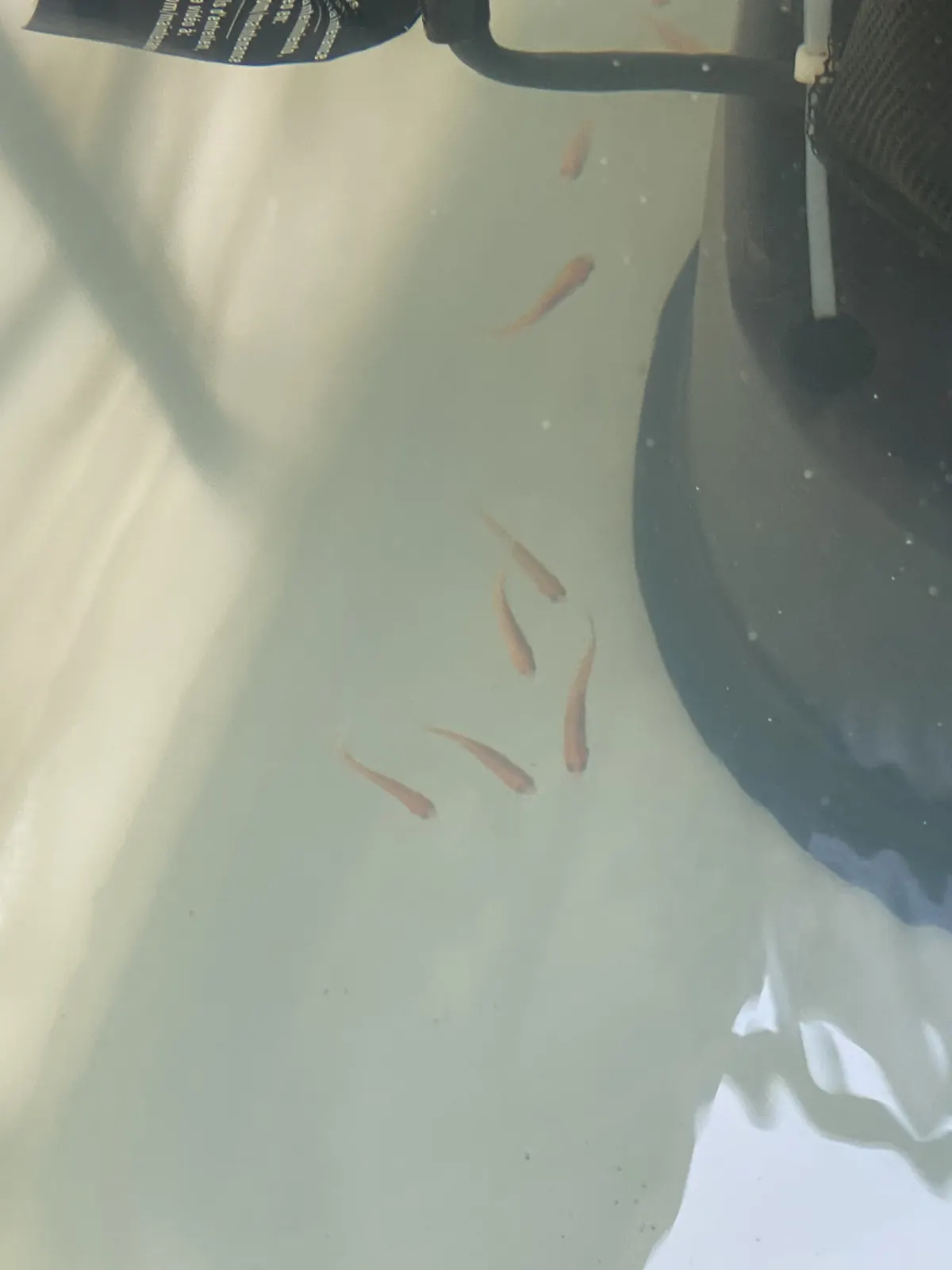
Temperature may be the deciding factor
For many backyard systems, climate is the practical dividing line between tilapia and koi.
Tilapia perform best in warm water and become increasingly difficult to maintain as temperatures fall. Koi tolerate colder water much better, although cold water changes their metabolism and feeding behavior.
If keeping tilapia requires substantial winter heating, that should be included in the decision before buying fish. The heater itself is only part of the equation. Insulation, enclosure, electricity use, temperature monitoring, and what happens during a power failure also matter.
I learned how quickly temperature management can turn into a larger system project when I extended my IBC setup into colder weather. Heating and enclosing the system worked, but they also added equipment and maintenance that the original warm-weather setup did not need.
Aeration matters with either fish
Fish species does not eliminate the need for oxygen. As fish load and feeding increase, dependable aeration becomes more important.
I used dedicated aeration in my system rather than relying entirely on water returning to the tank. That gave the fish a separate source of oxygen and made aeration easier to observe directly.
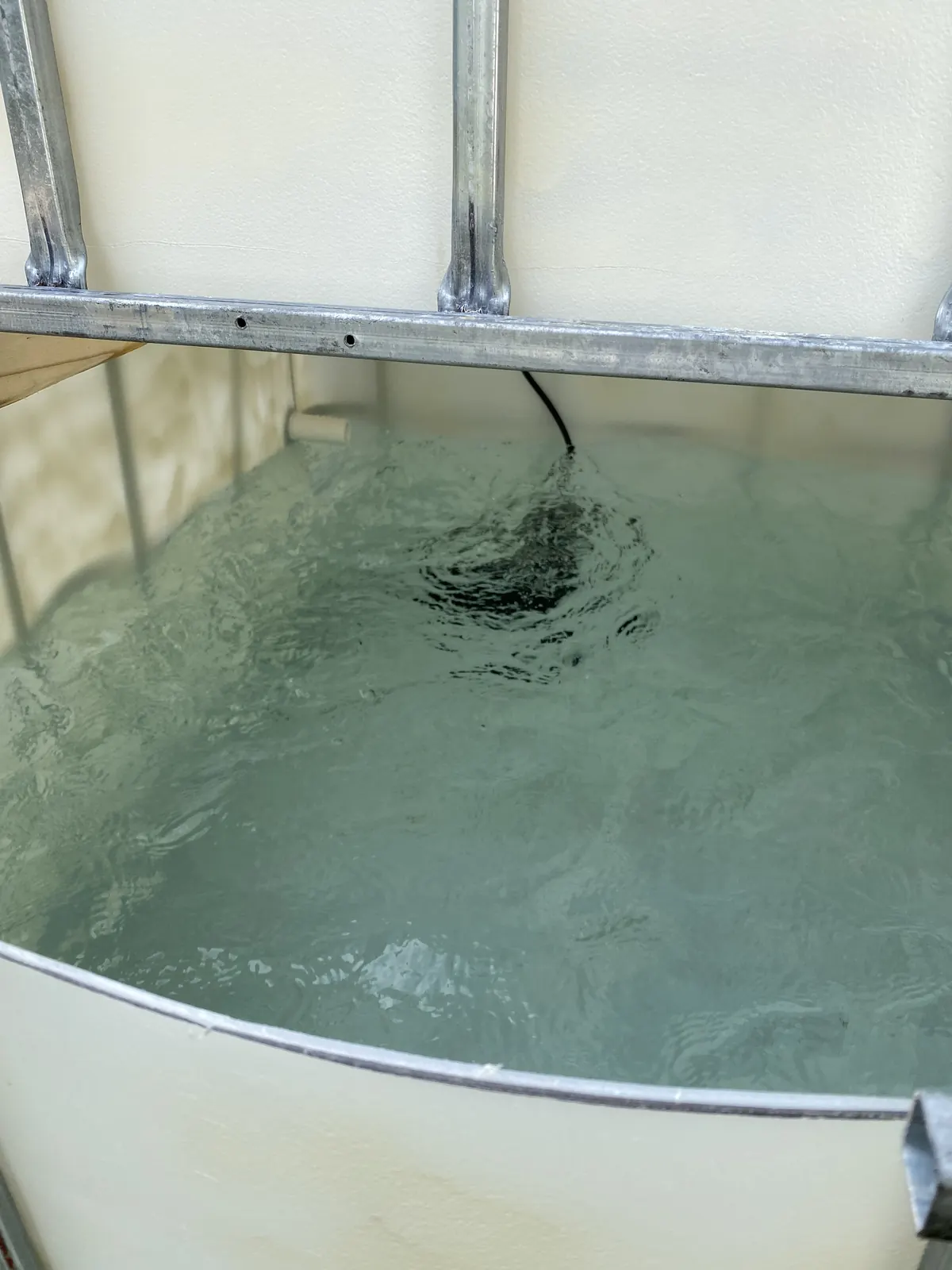
For more on this part of the system, see aeration in aquaponics systems.
Stocking density matters more than the species name
A common mistake is asking how many tilapia or koi can fit in a tank without asking how much fish mass the complete system can support.
The answer depends on more than gallons. Fish size, feed rate, aeration, solids removal, biological filtration, water circulation, plant demand, and maintenance all affect how heavily a system can be stocked.
Ten small fish and ten mature fish are obviously not the same biological load. A system that looks lightly stocked when the fish are young can become crowded as they grow.
I would rather run a backyard system conservatively than design around the maximum theoretical fish load. More fish means more feed, more waste, greater oxygen demand, and less room for equipment or maintenance mistakes.
Feeding connects the fish side to the plant side
Fish feed is one of the major nutrient inputs in aquaponics. Fish eat it, produce waste, and the system processes part of that waste into nutrients available to plants.
That means fish choice is not just about what can survive in the tank. The number and size of the fish, how much they eat, and how consistently they are fed influence the nutrient load moving through the entire system.
Overfeeding creates its own problems. Uneaten feed and excessive waste consume oxygen and increase the load on filtration and biological processes. Feeding should follow the condition of the fish and the capacity of the system, not a desire to force more nutrients into the grow bed.
Water quality is still the referee
No fish choice compensates for poor water management. Ammonia, nitrite, pH, temperature, dissolved oxygen, and accumulated solids can all become limiting factors.
When a system is new, recently changed, or behaving differently, water testing is one of the best ways to separate guesses from actual conditions. My system became easier to understand once I had both observations and measurements instead of trying to judge everything by whether the water looked clear.
See aquaponics water testing basics for the main measurements to watch.
Choose tilapia if these priorities fit
- You want an edible fish crop.
- You can maintain appropriately warm water.
- You are prepared to manage seasonal temperature changes.
- You want relatively fast growth under suitable conditions.
- Harvesting and replacing fish fits the purpose of the system.
If food fish are the goal, also see using tilapia, catfish, or bass in aquaponics systems.
Choose koi if these priorities fit
- You want ornamental fish rather than a fish harvest.
- You expect to keep the fish for years.
- Your climate makes cold-weather tolerance valuable.
- You have enough tank capacity for fish that may become large.
- You are comfortable designing around their long-term size rather than their purchase size.
There are simpler fish choices too
A backyard aquaponics system does not have to use either tilapia or koi. If the main goal is learning aquaponics or growing plants rather than harvesting fish, inexpensive hardy fish may be perfectly adequate.
That is one reason goldfish are commonly considered for small home systems. They remove the pressure to turn the fish side of the project into a food-production operation. See using goldfish in aquaponics systems for that option.
Tilapia vs koi: decide from the system backward
I would not choose between tilapia and koi from a list of which fish is supposedly “best for aquaponics.” Start with the system.
How large is the tank? Is it outdoors? What happens in winter? Can you heat it economically if necessary? How much aeration and filtration do you have? Do you want to eat the fish, keep them for years, or mainly use them to support plant production?
Once those questions are answered, the fish decision gets much easier. Tilapia can make sense for a warm-water system where food production matters. Koi can make sense when ornamental fish and broader seasonal tolerance matter more. The right choice is the one your actual system can support without pretending temperature, oxygen, filtration, and eventual fish size do not exist.