
An IBC aquaponics system can look cheap on paper. Buy a used tote, add a pump, throw in some plumbing, and start growing food. That version leaves out a lot.
My IBC aquaponics system cost roughly $1,000 by memory by the time I was done building, modifying, heating, testing, and experimenting with it. I was not trying to build the absolute cheapest system possible. I was trying to make the thing work, learn from it, and keep it running through conditions that exposed weaknesses in the original setup.
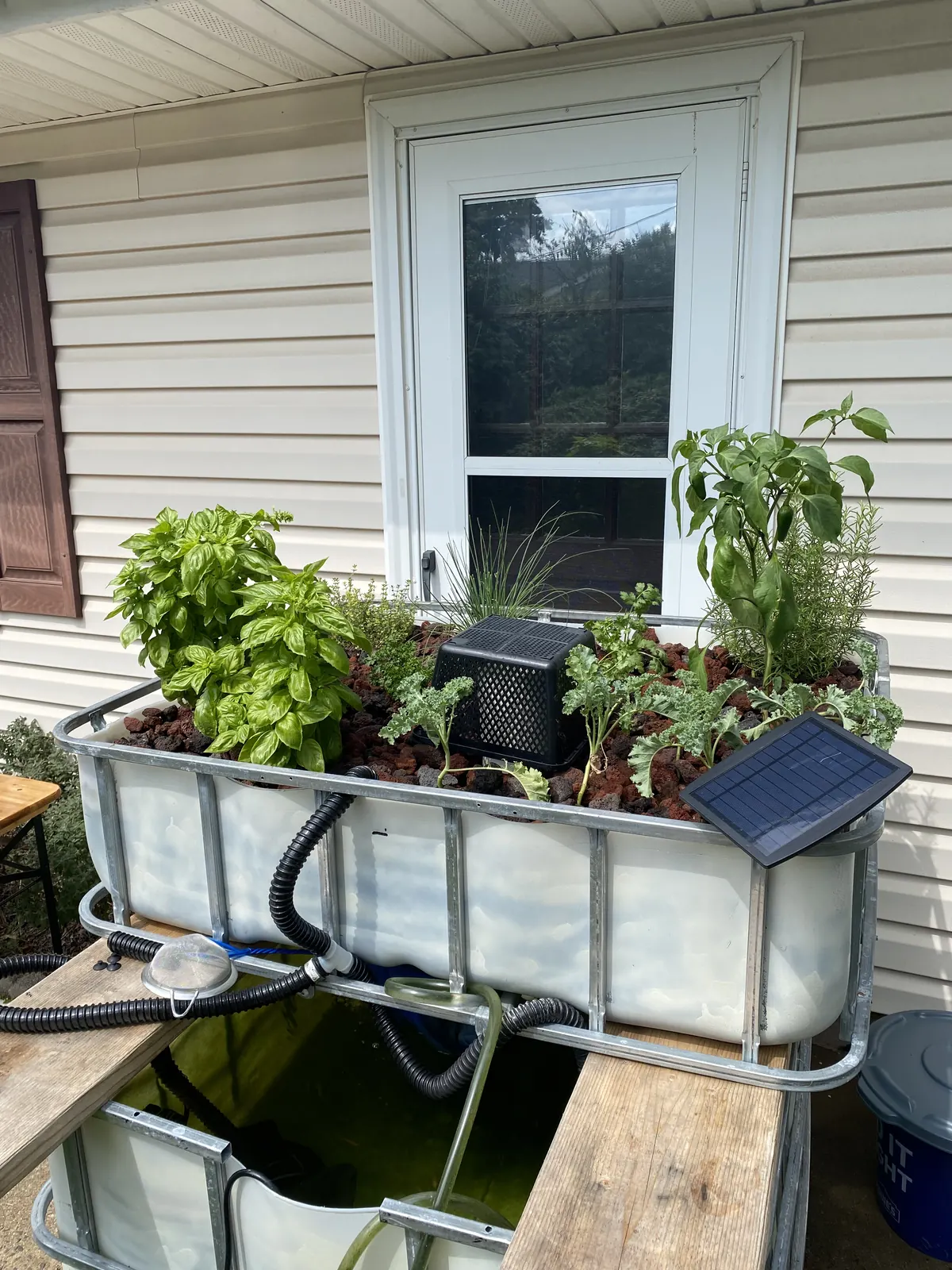
From my system: I remember paying about $120 for the IBC tote roughly five or six years ago. By the end, the system also included the grow bed, lava rock, pumps, aeration, heaters, water testing supplies, plumbing, fish, plants, insulation, a small greenhouse, and assorted experiments and replacements. The dollar figures on this page are historical recollections from that build, not current price quotes.
Why a “cheap” IBC aquaponics system gets expensive
The basic container is only the beginning. A functioning aquaponics system needs water circulation, aeration, plumbing, biological filtration, a place for plants to grow, water testing, and some way to deal with predictable failures.
That last category is where simple aquaponics budgets often fall apart. The first pump may not be the last pump. A plumbing layout that looks fine during construction may need another valve or fitting once the system is operating. Cold weather can turn heating from an optional expense into a system requirement. A power outage makes backup aeration look considerably less optional than it did at the hardware store.
Then there are the small purchases. Tubing, fittings, test supplies, extension cords, timers, replacement parts, fish food, plants, water treatment, and trips back to the store do not look expensive individually. Together, they matter.
The tote itself was only one part of the cost
I bought a used IBC tote rather than starting with a purpose-built aquaponics tank. I remember the tote costing about $120. Getting a large container home is also part of the project, even if that expense never appears on a parts list.
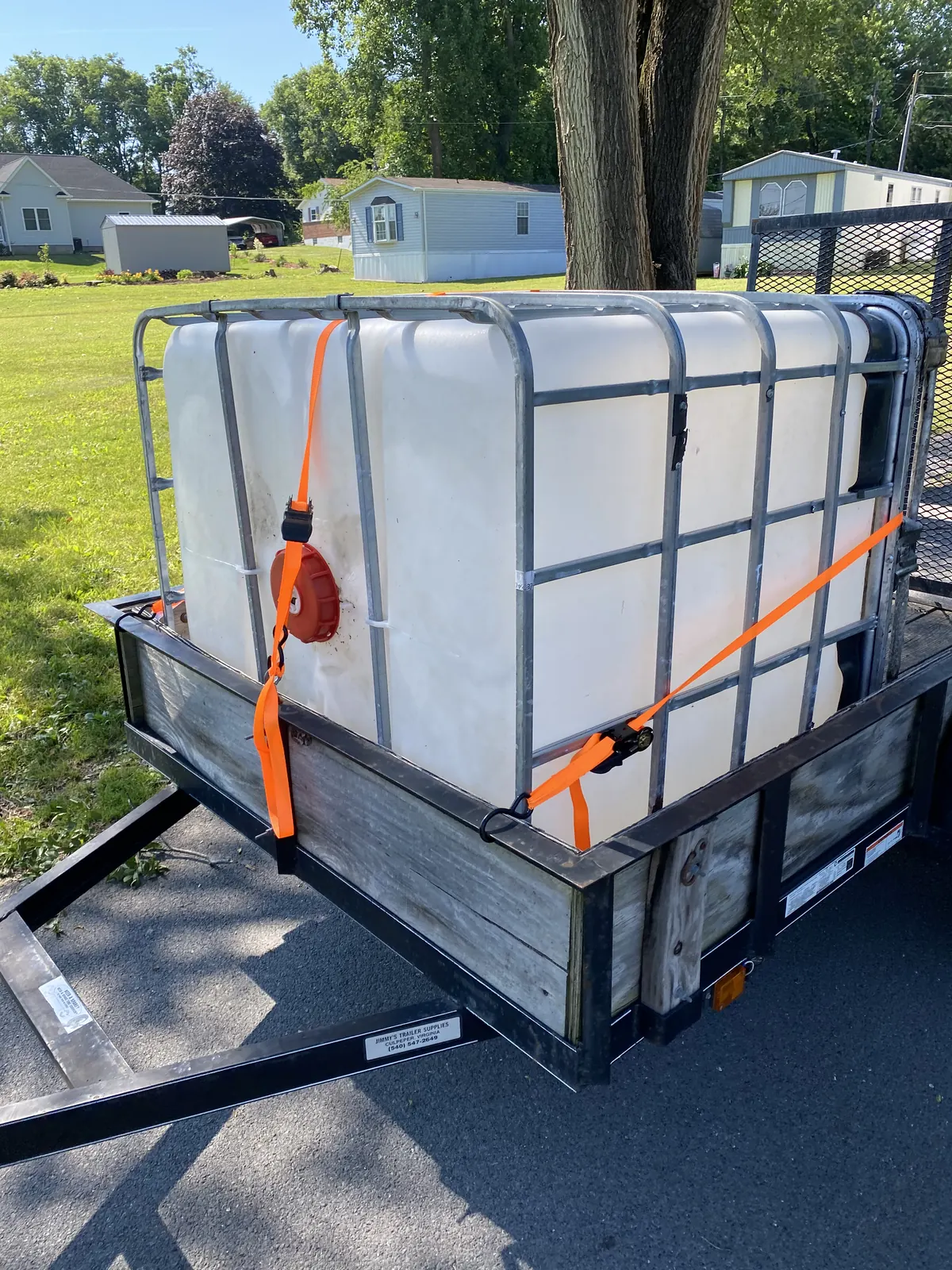
If you already own a truck or trailer, tools, extension cords, plumbing tools, and a suitable place to build, your out-of-pocket cost can look much lower than somebody starting from scratch. That does not make either estimate wrong. It means the two builds are not starting from the same place.
Separate the basic build from the experiments
Not everything I bought should be considered necessary for a basic IBC aquaponics system. My system evolved as I learned what worked, what annoyed me, and what failed.
I tried more than one approach to pumping and heating. I added instrumentation and temperature control. I dealt with winter operation. I built a greenhouse enclosure around the system. Some purchases solved real problems; others were part of figuring out what the system actually needed.
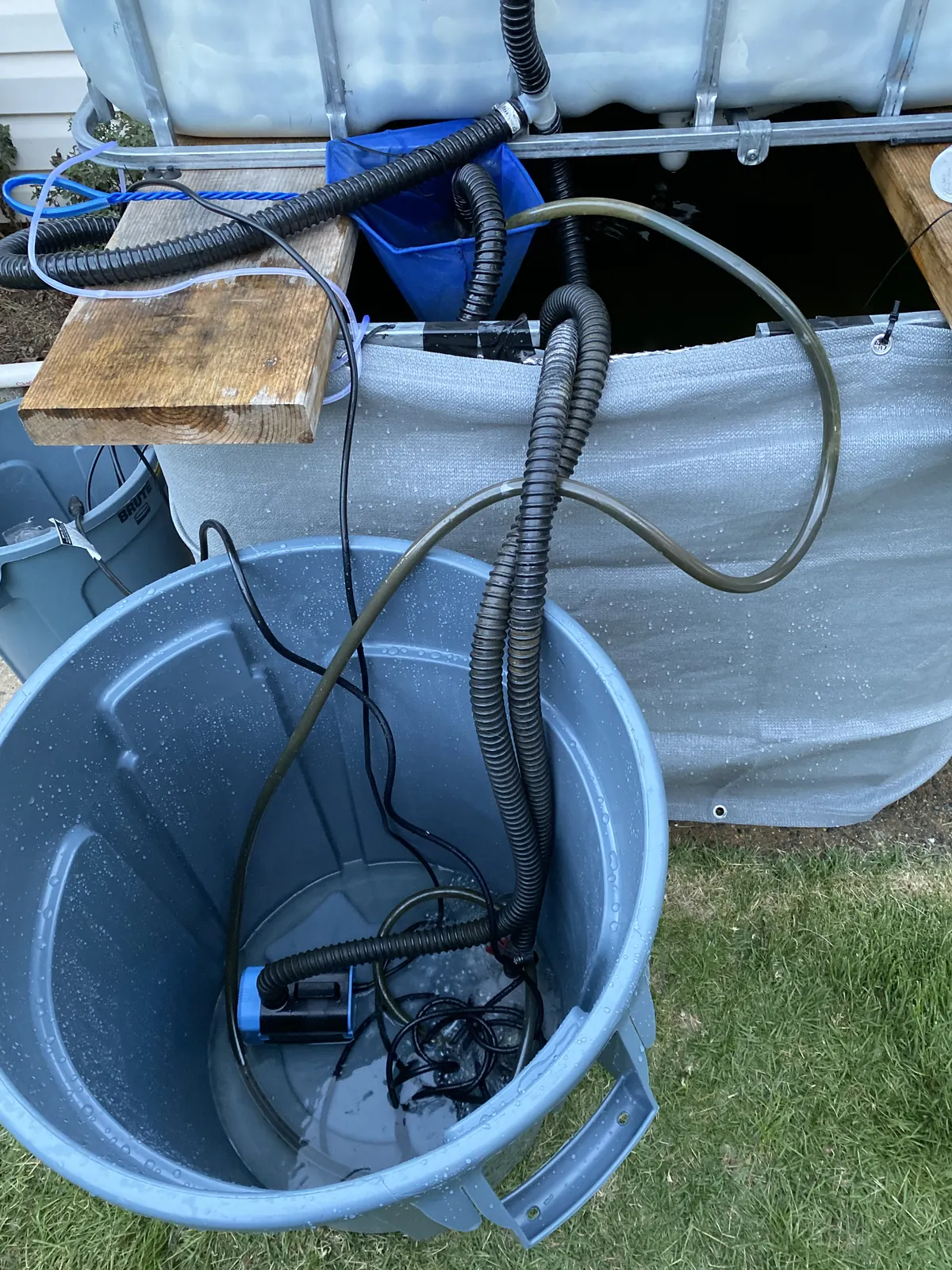
That distinction matters when comparing my roughly $1,000 recollection with a bare-bones build advertised for a few hundred dollars. I was paying for an operating experiment, not simply assembling the shortest possible parts list.
What I would spend money on first
If I were budgeting an IBC system, I would protect the parts that keep the system alive before spending money on clever upgrades.
- A safe tank and grow bed
- Dependable water circulation
- Dedicated aeration
- Serviceable plumbing with valves where they actually help
- Appropriate grow-bed media
- A reliable water test kit
- Electrical connections protected for an outdoor, wet environment
- A plan for power interruptions
- Temperature management if the fish or climate require it
Those are boring places to spend money compared with gadgets and upgrades. They are also the parts that determine whether the system keeps circulating and the fish keep getting oxygen.
Build your budget with current prices, not mine
My remembered prices are useful for explaining what happened with my system. They are a poor shopping list years later.
Price the major categories where you live now: the IBC tote, plumbing, pump, aeration, grow media, testing supplies, fish or cycling inputs, plants, electrical equipment, and anything required for temperature control. Then add a contingency for the fittings, replacement parts, delivery, transportation, and miscellaneous purchases that are easy to overlook.
If you are still planning the hardware, see the IBC tote chop-and-flip build guide, the aquaponics equipment guide, and the pump-sizing guide. Those pages break the system into components that are easier to price individually.
Operating costs count too
The construction bill is not the whole cost of aquaponics. Pumps and aeration use electricity continuously. Fish need food. Test reagents run out. Pumps need cleaning and can eventually need replacement. Depending on your water source, you may need water treatment. Heating can become a substantial expense in cold weather.
Maintenance also has a cost even when you do not assign an hourly dollar value to your own time. I had to test water, feed fish, inspect equipment, clean components, deal with temperature, make adjustments, and occasionally solve problems I had not planned for.
The aquaponics maintenance schedule gives a better picture of what that ongoing work looks like.
Was my IBC aquaponics system worth the money?
As a cheap way to produce food? No. Once I count the equipment, experiments, electricity, maintenance, and my time, I would not pretend that my backyard system was an economical replacement for buying basil, peppers, or fish.
As a hands-on project, it was a different calculation. I learned how the water, fish, plants, bacteria, plumbing, temperature, aeration, and equipment interacted because I had to deal with those things when they worked and when they did not.
The system produced excellent basil and peppers. The greenhouse and heating helped me push operation into weather that the original outdoor setup was not prepared for. Pump changes, aeration, water testing, and other modifications taught lessons that a perfect first build would never have taught me.
The practical way to think about aquaponics cost
Do not start with the question, “How cheaply can I build aquaponics?” Start with what you want the system to do.
A seasonal learning project has different requirements from a system expected to survive winter. A plant-focused system has different priorities from one built around harvesting fish. A person who already owns tools and a trailer has a different starting budget from somebody buying everything for the first time.
IBC aquaponics can be built without spending a fortune, but the tote is not the system and the initial build is not the total cost. Budget for a functioning system, leave room for the things you will inevitably change, and be skeptical of any cost estimate that stops counting as soon as water starts circulating.