
This is the story of the IBC aquaponics system I actually built, operated, modified, and eventually dismantled. It was a backyard experiment, not a commercial farm and not a polished kit assembled from a perfect plan.
I started with a used IBC tote, converted part of it into a grow bed, filled that bed with lava rock, added pumps, plumbing and aeration, stocked fish, planted it, and then spent roughly 16 to 18 months learning what the system needed by running it.
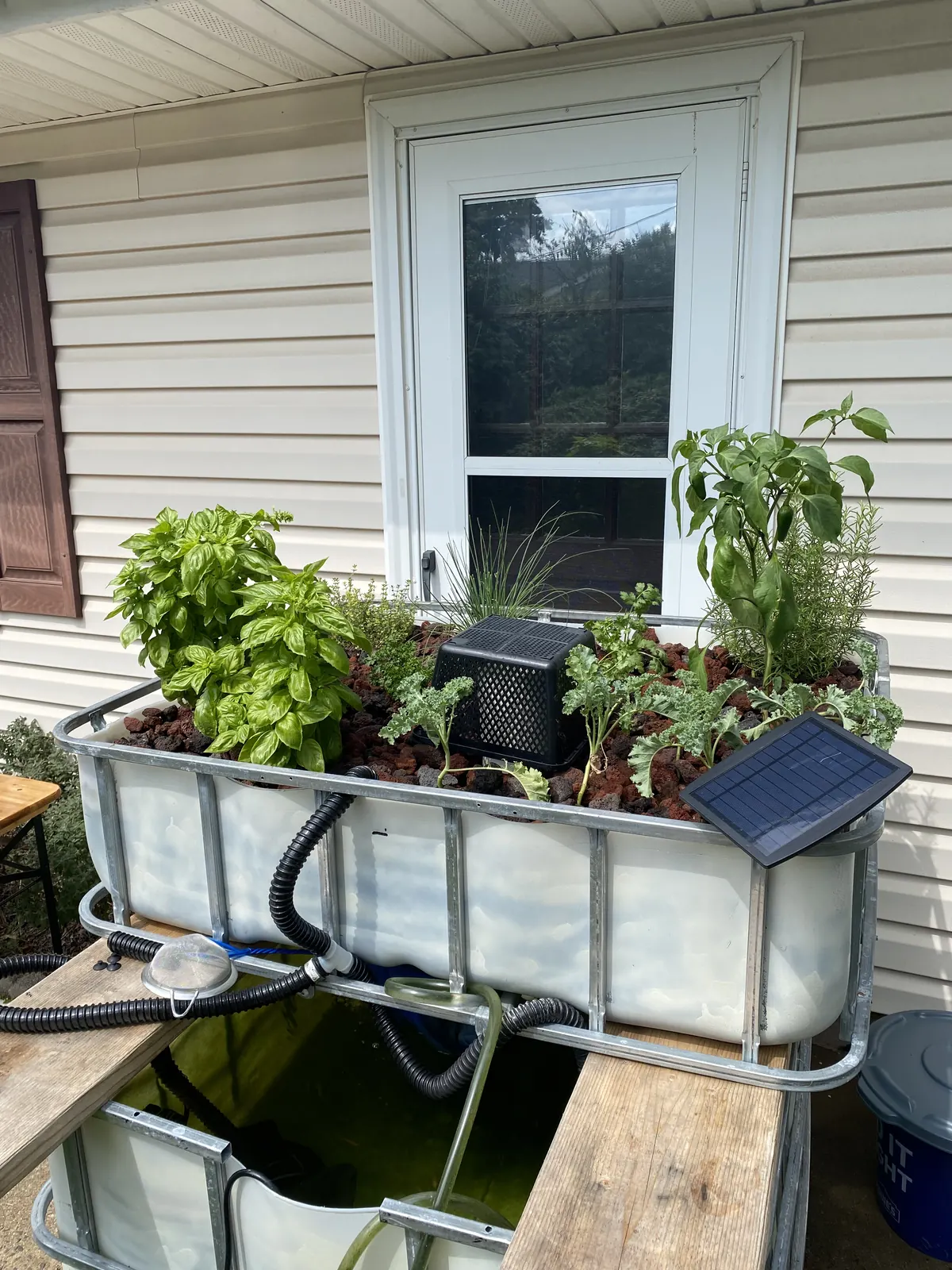
It started with a used IBC tote
I remember paying about $120 for the tote roughly five or six years ago. It was the basic structure for the project: fish tank below, grow bed above, with water moving between them.
Even that first step had a practical detail that neat build diagrams tend to skip: an IBC tote is large. Buying one and getting one home are two different tasks.
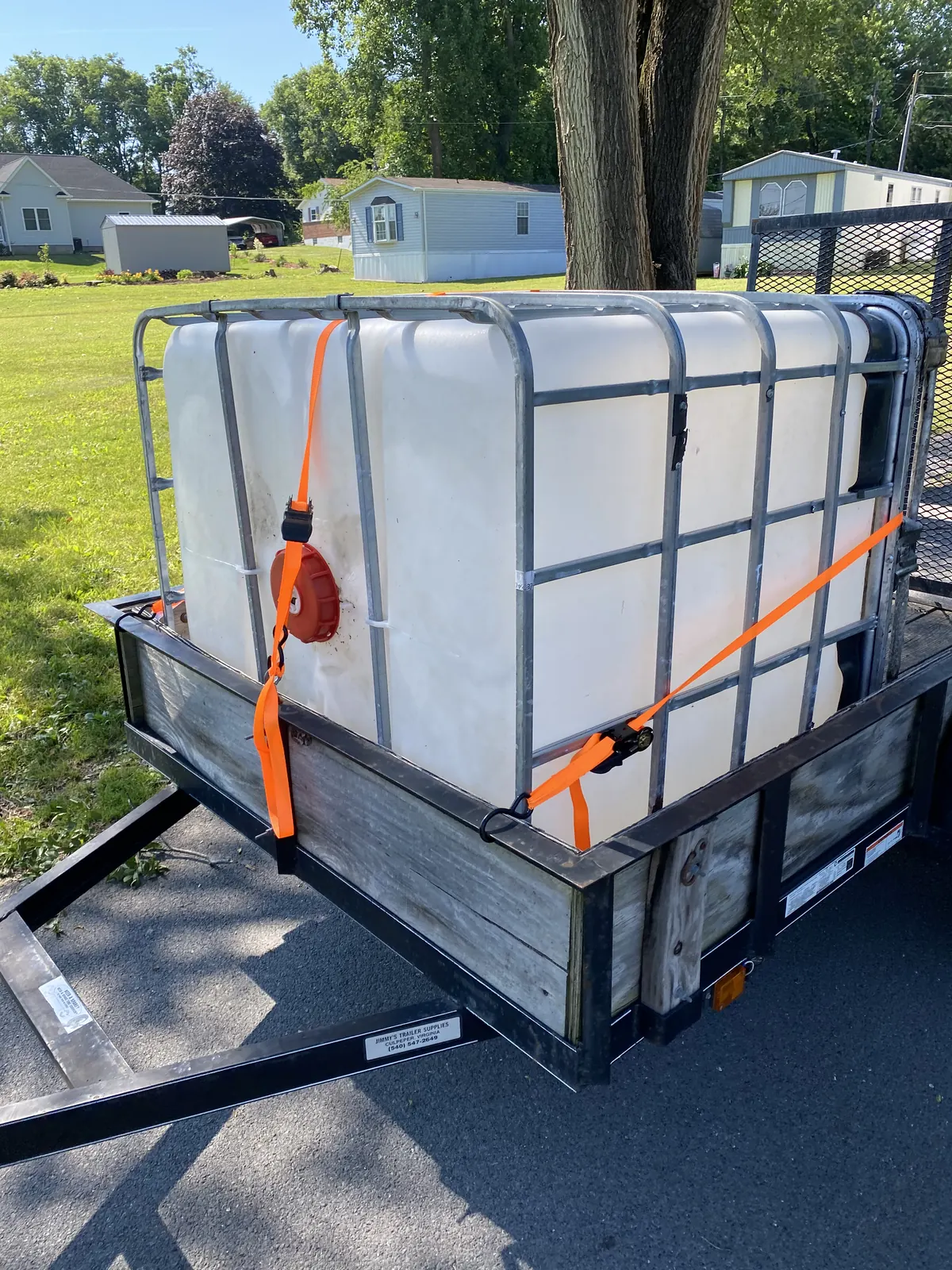
If you are planning a similar build, the IBC tote chop-and-flip build guide covers the basic construction approach.
The basic system was only the beginning
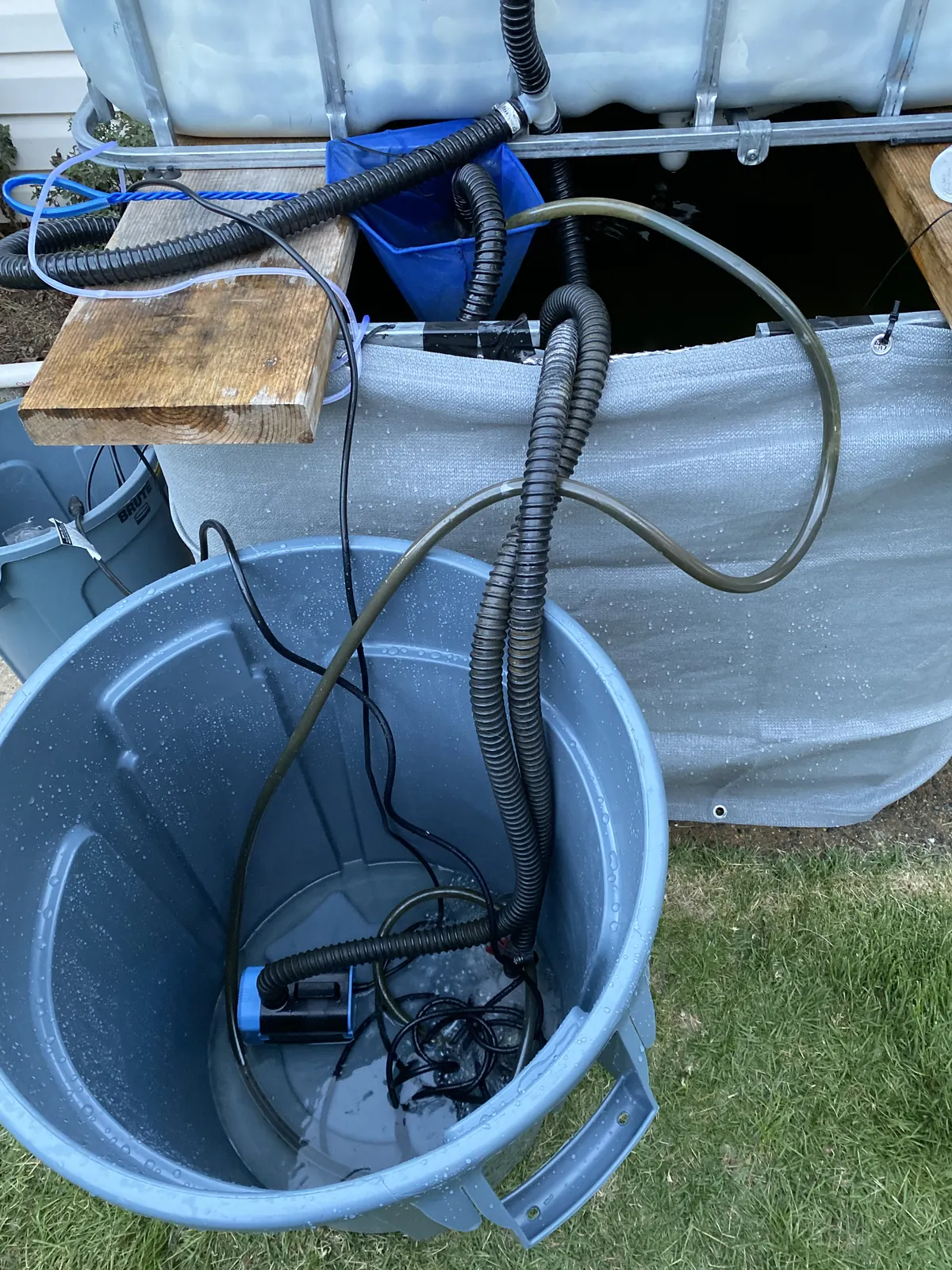
The system used lava rock as grow-bed media and depended on continuous water circulation plus dedicated aeration. I tested the water, fed the fish, grew plants, cleaned equipment, watched temperatures, and adjusted the hardware as I found weaknesses.
That is where the project became more useful than the original build plan. A diagram can show where a pump and pipe go. Operating the system shows whether the pump is easy to service, whether the plumbing behaves the way you expected, whether the grow bed drains reliably, and whether the fish are still getting enough oxygen when something else goes wrong.
Aeration became something I treated as essential
I used dedicated aeration rather than depending entirely on water movement from the circulation system. That gave the fish another source of oxygen and made it easy to see whether air was actually reaching the tank.
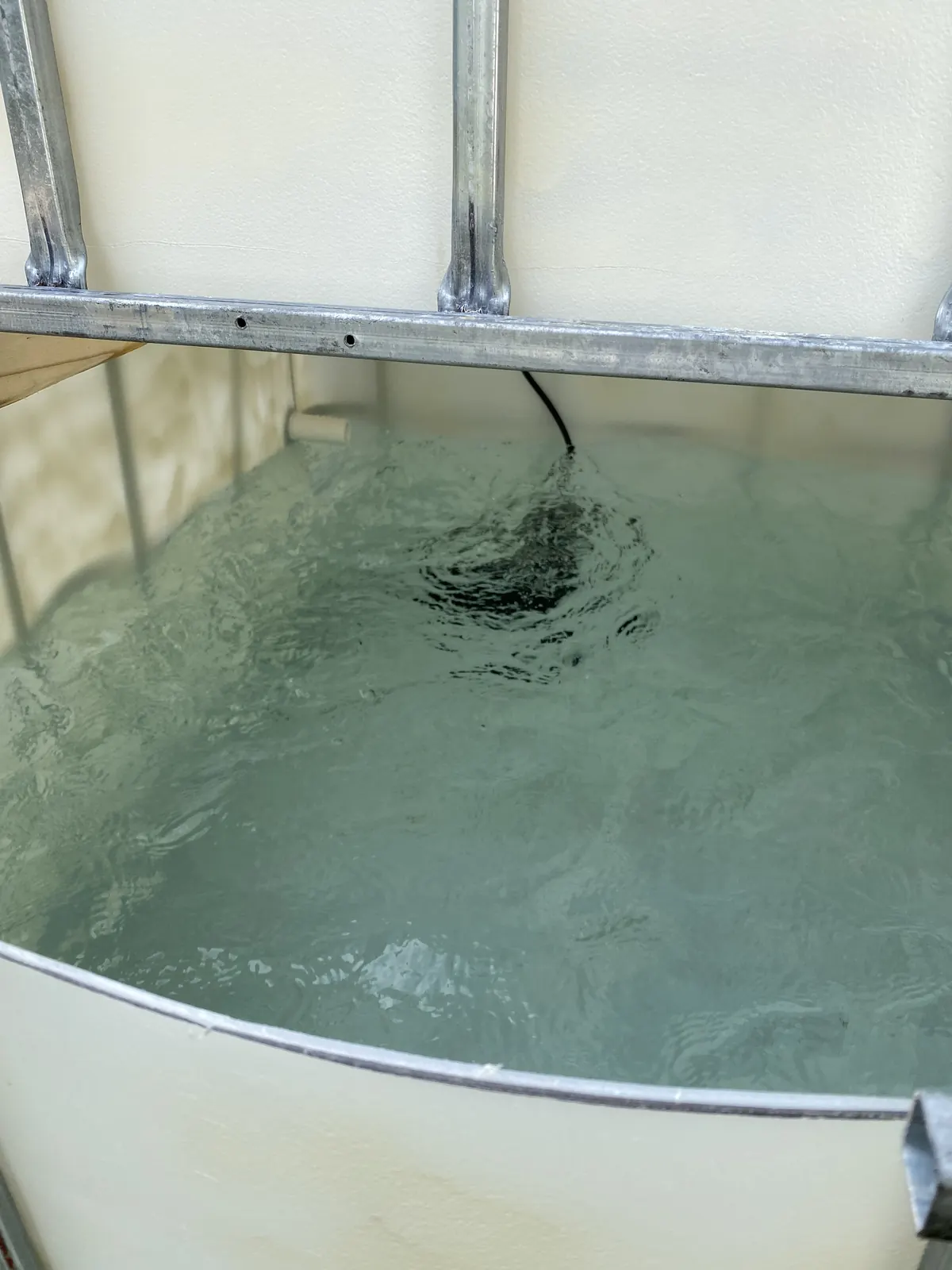
Aquaponics is unforgiving about circulation and oxygen failures because the fish and biological system do not care whether a pump failure happened at a convenient time. See aeration in aquaponics systems and backup power for aquaponics systems for the practical side of that problem.
Then I decided to keep it running through colder weather
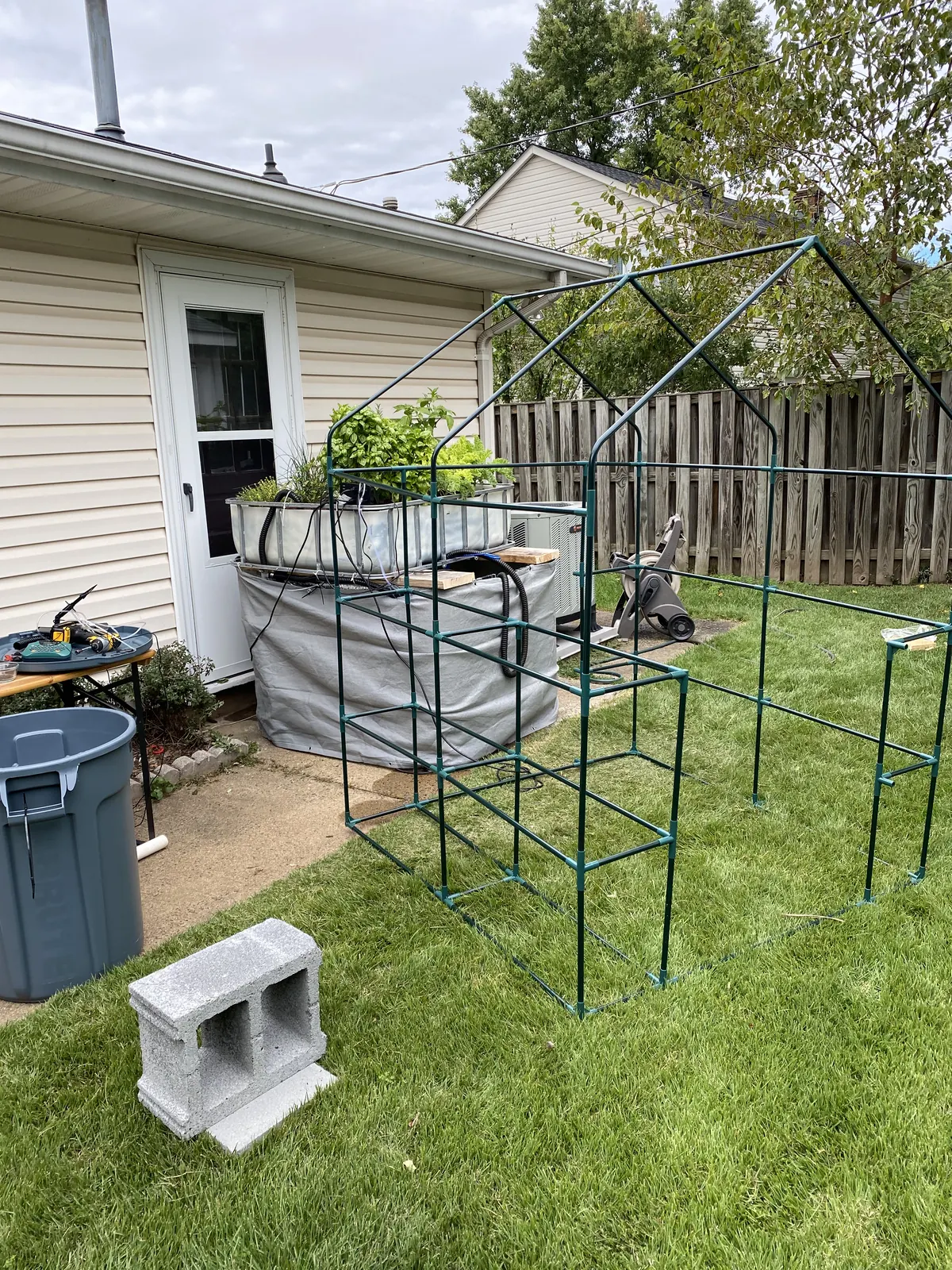
The original outdoor system was much simpler than what it eventually became. Once I decided to push operation into colder weather, temperature management became a real project of its own.
I experimented with heating, monitored water temperature, insulated the tank, and eventually built a small greenhouse-style enclosure around the system. Those changes worked well enough to extend operation, but they also added cost, equipment, maintenance, and new ways for things to fail.
Heating required measuring, not guessing
Once I was heating the system, I needed to know what the water was actually doing. A heater being switched on did not tell me whether the entire tank was at the temperature I expected.
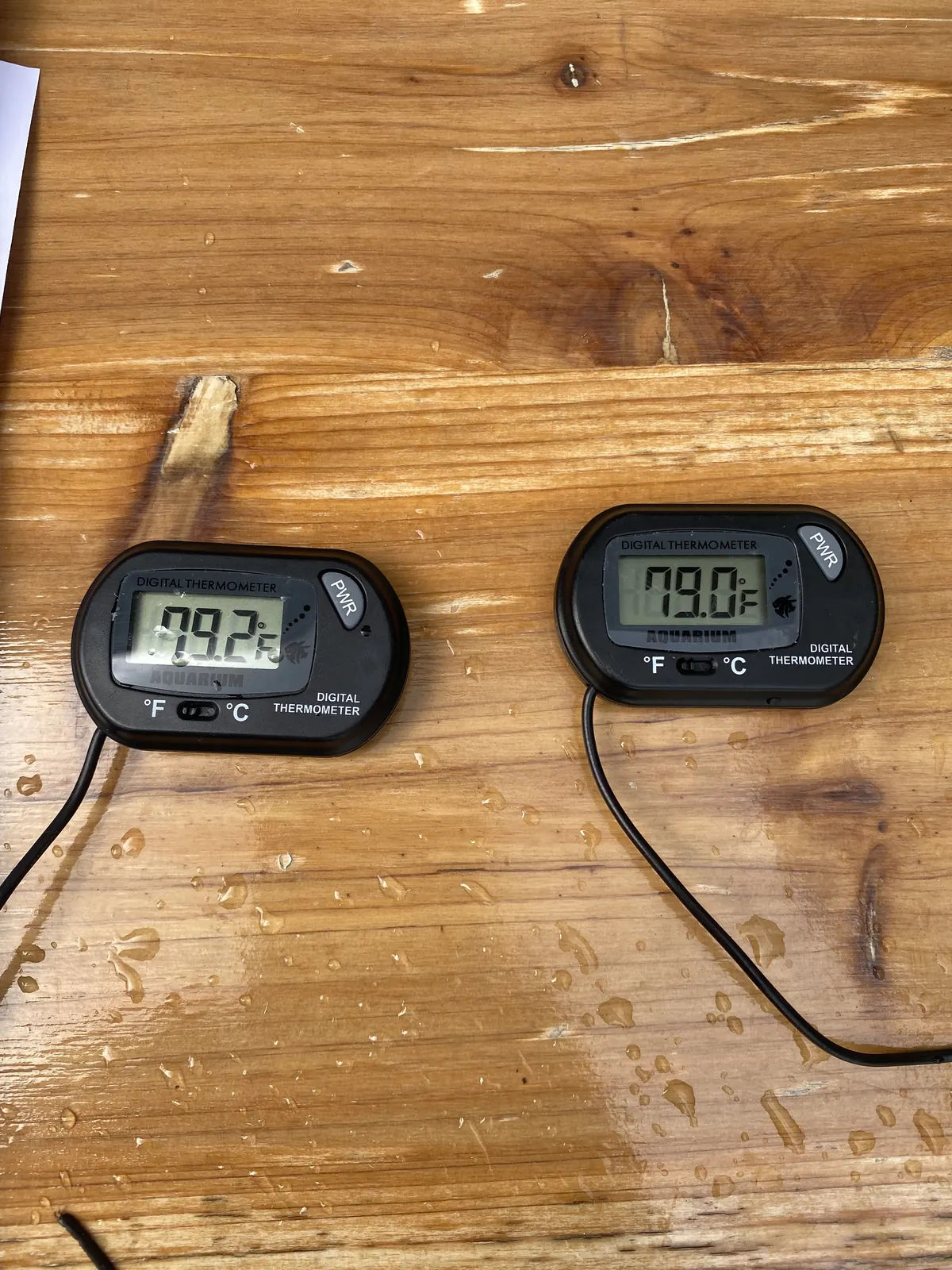
I tried more than one approach to heating and temperature control. That experimentation was useful, but it was also part of why the real cost of my system ended up much higher than the price of the original tote and pump.
The real cost of an IBC aquaponics system page breaks down why I remember the total project landing around $1,000 rather than the few hundred dollars suggested by bare-bones build claims.
The greenhouse helped, but it was not magic
The enclosure reduced some of the exposure of the system and helped me keep it operating into weather the original setup was not prepared for. It also became another thing that had to survive outdoors.
That distinction matters. Adding a greenhouse does not remove weather from the project. It changes the way weather reaches the system.
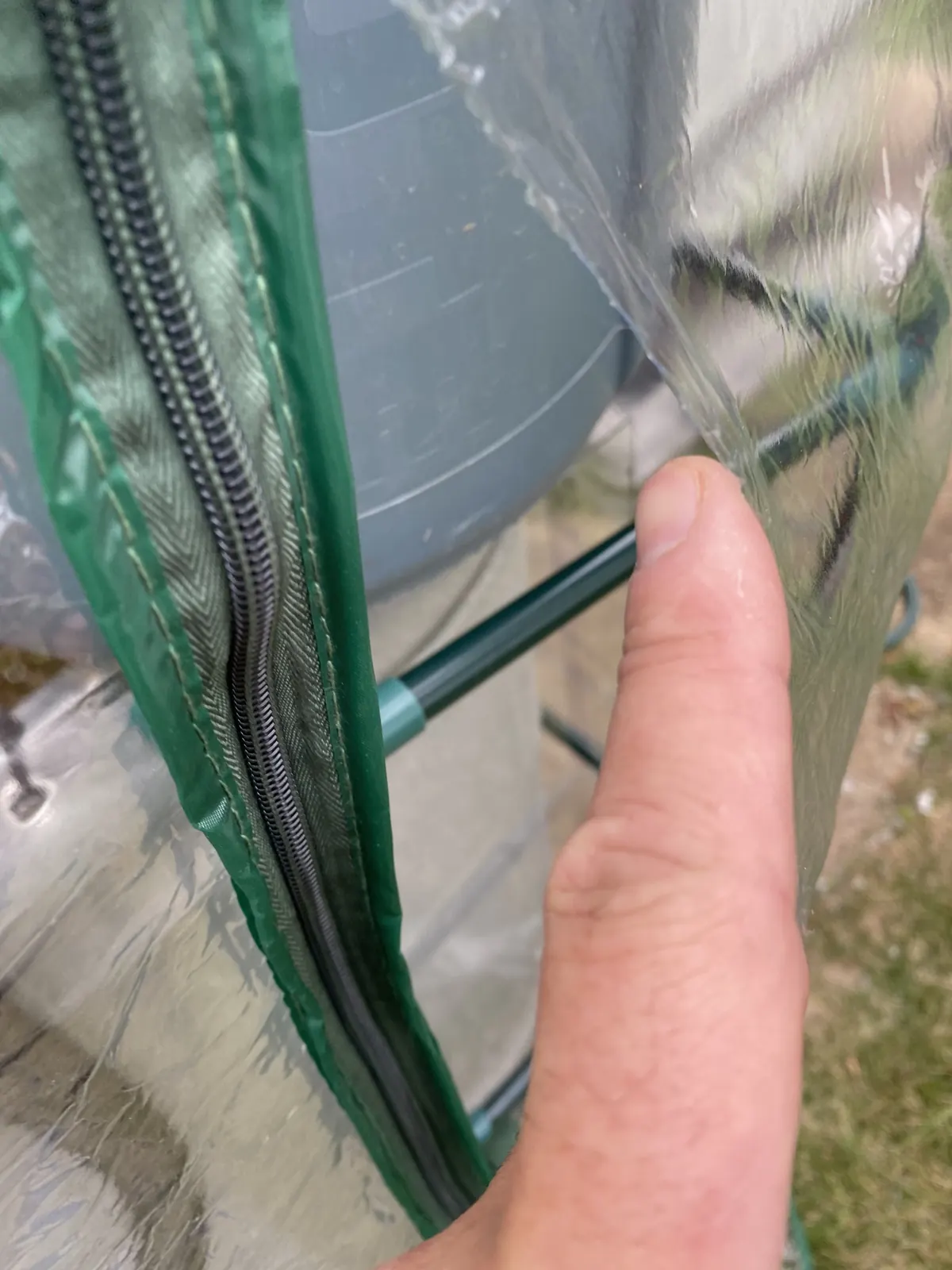
This was a recurring theme throughout the experiment: solving one problem often added another component that had its own cost and maintenance requirements.
The plants were one of the better parts of the experiment
The system produced excellent basil and peppers. Watching plants grow vigorously from nutrients generated inside the fish-and-bacteria loop was the part of aquaponics that made the whole contraption feel worthwhile.
That did not mean every plant or every stage of the system was effortless. Plant performance still depended on water quality, nutrient availability, temperature, light, root conditions, and the general health of the rest of the system.
If plant production is your main interest, see growing herbs and peppers in aquaponics systems.
Maintenance was not difficult, but it was real
I had to feed fish, test water, inspect pumps, watch aeration, check temperatures, clean equipment, manage plants, and respond when something changed. None of those jobs was especially mysterious. Together, they made aquaponics an ongoing system rather than a build-it-once backyard appliance.
The routine became easier because I learned what normal looked and sounded like. A change in pump flow, aeration, fish behavior, water level, temperature, or plant condition was usually more useful than waiting for a calendar reminder.
That operating routine is covered in more detail in the aquaponics maintenance schedule.
Some of the best lessons came from things that did not work perfectly
I changed equipment. I experimented with heating. I dealt with weather. I maintained pumps and plumbing. I watched the enclosure develop problems. I tested water and temperature because the system did not give me the luxury of assuming everything was fine.
That is why I do not think a perfectly tidy parts list is the most useful way to describe aquaponics. The interesting part starts after the build guide ends.
Aquaponics combines living things with pumps, plumbing, electricity, weather, water chemistry, bacteria, and plants. The system works because all of those pieces cooperate well enough at the same time.
Why I eventually dismantled the system
I did not dismantle the system because aquaponics failed. I dismantled it primarily because I moved.
By then I had operated it long enough to see the difference between building an IBC aquaponics system and actually living with one. The physical system was temporary. The useful part was what I learned from running it.
What I would carry into another build
- Make pumps and plumbing easy to reach and service.
- Use dedicated aeration and make its operation easy to verify.
- Test water instead of diagnosing everything by appearance.
- Design around the climate the system will actually experience.
- Treat heating and winter operation as major design choices, not small accessories.
- Leave room for equipment changes because the first version probably will not be the last.
- Plan for power interruptions before they happen.
- Do not confuse the cost of an IBC tote with the cost of an operating aquaponics system.
- Learn what normal looks like so small changes are noticeable.
What this project convinced me of
A backyard IBC system can absolutely grow plants and support fish. Mine did. It can also become more expensive, more complicated, and more maintenance-dependent than the simple diagrams suggest.
I would not sell aquaponics as cheap food, passive gardening, or a maintenance-free loop. My system was none of those things.
What it was, though, was a very good hands-on experiment. I learned more from pumps that needed attention, temperature problems, greenhouse modifications, water testing, fish behavior, successful basil and peppers, and the things I had to change than I would have learned from assembling a system that somehow worked perfectly on day one.
That is the experience behind Aquaponics411: one real backyard system, a lot of research, plenty of tinkering, and enough things going wrong to make the useful lessons obvious.